Clamping slots
Define the lower width, upper opening and functional fit.
T-slots · Head thickness and relieved neck
Recessed slots and grooves with a narrow entry.
A T-slot cutter produces a wider recessed section beneath a narrower access slot. Dimension the two parts of the feature separately. Review how the head enters the part and how chips leave the enclosed cutting area.
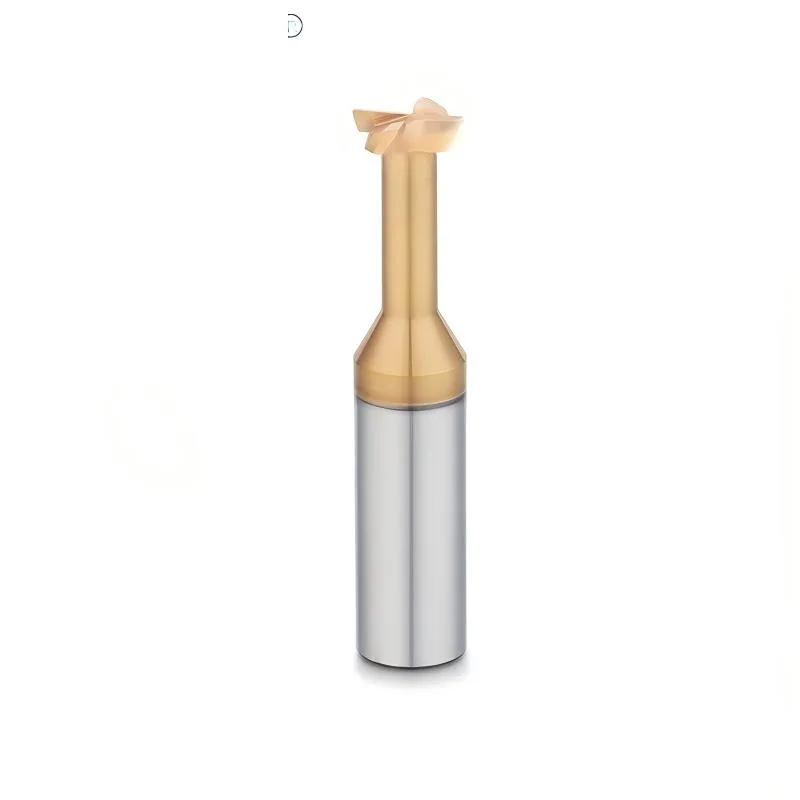
Application guide
Use the part feature and its acceptance requirements to narrow the tool choice.
Define the lower width, upper opening and functional fit.
Check head thickness against the groove height.
Show the available approach beyond the shoulder.
Selection & configuration
Provide head diameter, cutting width and neck dimensions. Confirm entry opening and chip escape in the enclosed groove.
| Decision | What to specify | Why it matters |
|---|---|---|
| Slot section | Upper opening, lower width and depth | The finished feature has more than one controlling width. |
| Cutting head | Diameter and thickness | These must fit the recessed portion and the entry. |
| Neck reach | Distance below the top surface | The neck must clear the access slot while cutting. |
Swipe the table to compare all columns →
Include these details so the tool dimensions and application can be reviewed together.
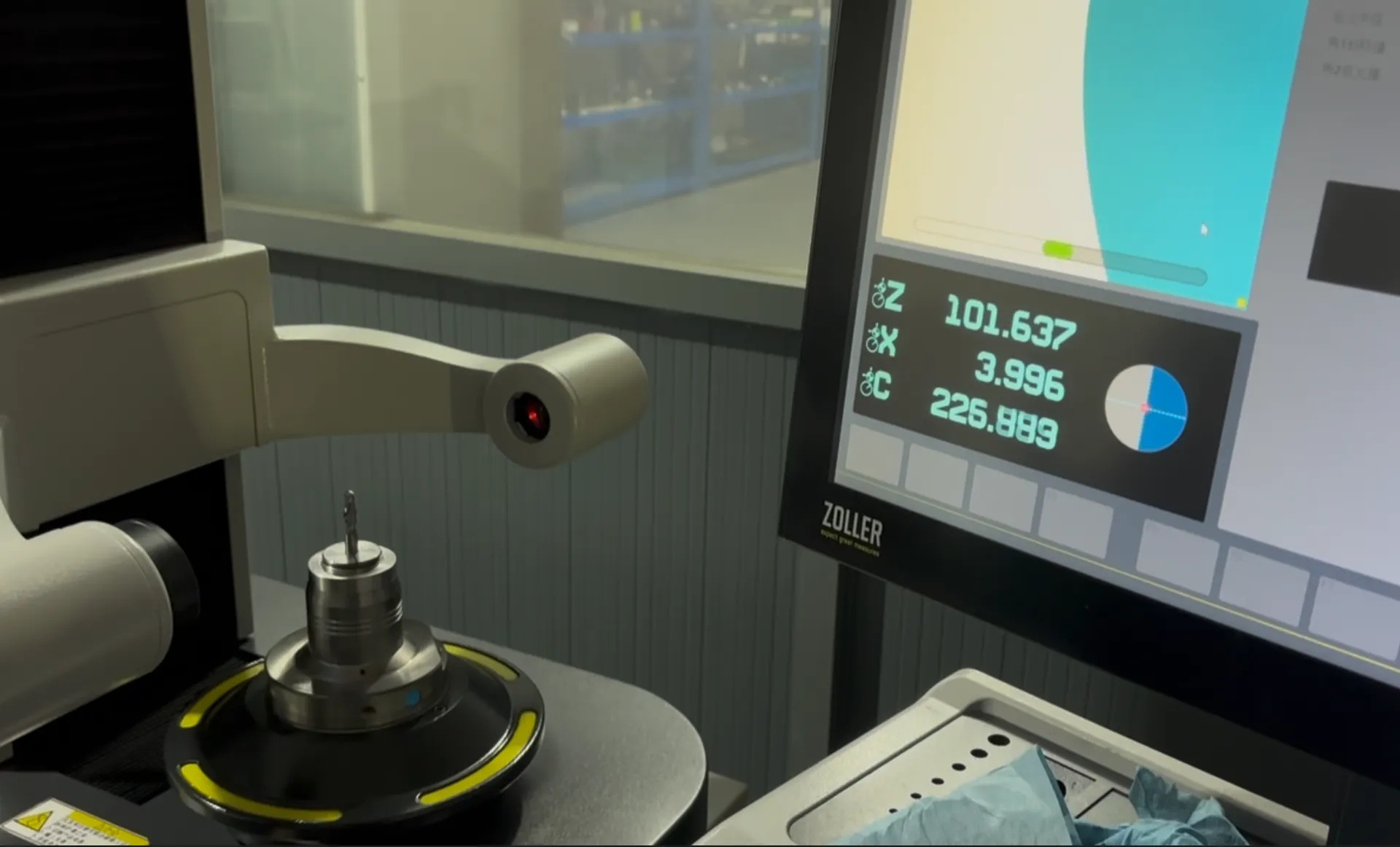
From drawing to inspection
A tool specification should describe both the cutting geometry and the acceptance requirements. Mark critical dimensions on the drawing and discuss how they will be checked before ordering.
Selection questions
Practical answers for custom t-slot cutters.
The machining sequence depends on entry access and the tool construction. Show the starting stock and prepared feature so the required opening and cutter approach can be reviewed.
Part drawing; workpiece material; cutting access; critical tolerance; current process; quantity. Add the quantity and delivery destination. A drawing or marked part section helps identify critical dimensions and clearance constraints.
The quotation and agreed drawing define the tool configuration, inspection scope, quantity and delivery schedule. Reference images show the tool family; use the confirmed specification for ordering.
Start with your application
Send your drawing or machining requirement. Your selected tool category and a checklist will be carried into the inquiry form.