Laminate edges
Check both faces for acceptable edge quality.
Solid ceramic tools · Controlled application trials
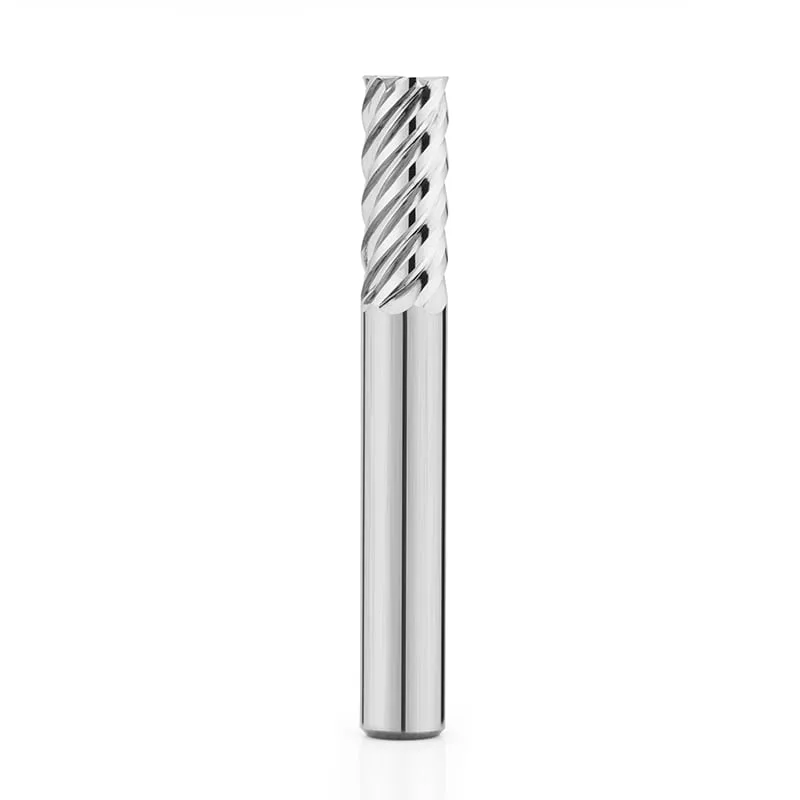
Solid ceramic cutters for selected abrasive composite operations.
Solid ceramic describes the cutting body, not a surface coating. Review the proposed grade, tool holding and composite structure before the operation is approved. A useful trial checks the actual edge and dimensional requirements on representative material.
Application guide
Use the part feature and its acceptance requirements to narrow the tool choice.
Check both faces for acceptable edge quality.
Identify abrupt changes in tool engagement.
Review the full-width cut and material support.
Selection & configuration
A solid ceramic body differs from a coating. Evaluate brittleness, tool holding and thermal conditions against the material system; use a controlled trial to establish a working process.
| Decision | What to specify | Why it matters |
|---|---|---|
| Construction | Solid ceramic grade and cutting form | This distinguishes the proposal from coated carbide. |
| Setup | Clamping, holder and cutting access | The material category alone does not establish a stable operation. |
| Evaluation | Dimensions, edge condition and wear observations | Agree what counts as an acceptable result. |
Swipe the table to compare all columns →
Include these details so the tool dimensions and application can be reviewed together.
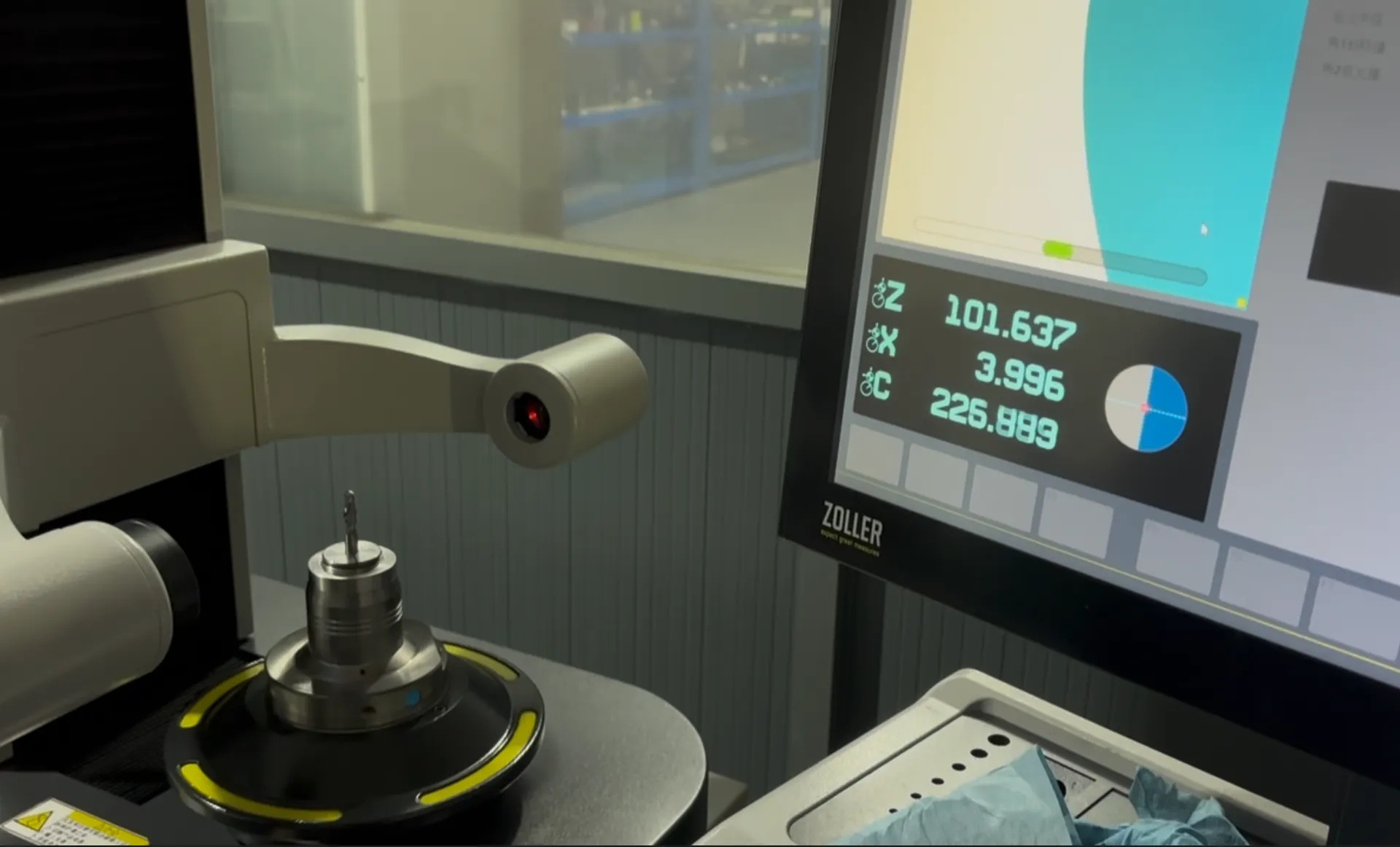
From drawing to inspection
A tool specification should describe both the cutting geometry and the acceptance requirements. Mark critical dimensions on the drawing and discuss how they will be checked before ordering.
Selection questions
Practical answers for solid ceramic end mills for composites.
No. A coating is a surface layer on another tool material. A solid ceramic tool uses ceramic as the cutting body, so the construction and application need separate review.
Laminate specification; fiber direction; thickness; operation; edge acceptance criteria; machine setup. Add the quantity and delivery destination. A drawing or marked part section helps identify critical dimensions and clearance constraints.
The quotation and agreed drawing define the tool configuration, inspection scope, quantity and delivery schedule. Reference images show the tool family; use the confirmed specification for ordering.
Start with your application
Send your drawing or machining requirement. Your selected tool category and a checklist will be carried into the inquiry form.