Trimming
Define the permitted fraying on the finished boundary.
Cermet selection · Composite edge requirements
Cermet cutter selection for fiber-reinforced composite features.
A cermet tool proposal needs the actual cutting grade and laminate specification. Use a representative part or coupon to evaluate edge damage and dimensional control. Do not transfer a tool claim from one fiber/resin system to a different composite.
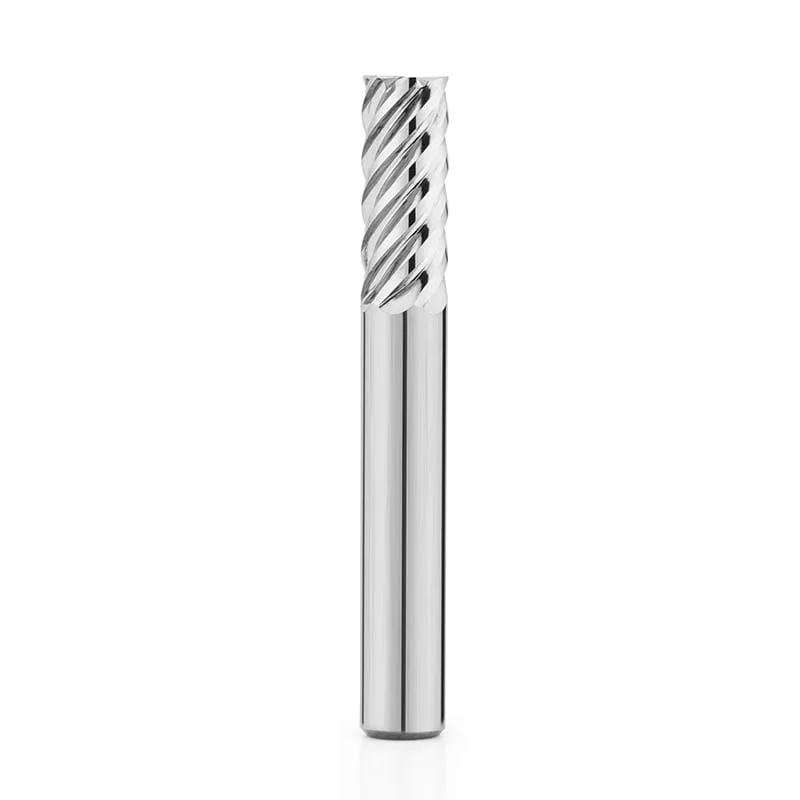
Application guide
Use the part feature and its acceptance requirements to narrow the tool choice.
Define the permitted fraying on the finished boundary.
Check edge behavior where fiber orientation changes.
Assess support on both faces of the laminate.
Selection & configuration
Confirm the actual cermet grade and fiber/resin compatibility before trials. Assess fraying, delamination and edge wear on a representative laminate.
| Decision | What to specify | Why it matters |
|---|---|---|
| Material system | Fiber, resin and layup | These describe the workpiece more accurately than composite alone. |
| Tool grade | Proposed cermet composition and geometry | The category name does not identify a specific tool. |
| Acceptance | Edge damage, size and inspection approach | Trials need consistent pass/fail criteria. |
Swipe the table to compare all columns →
Include these details so the tool dimensions and application can be reviewed together.
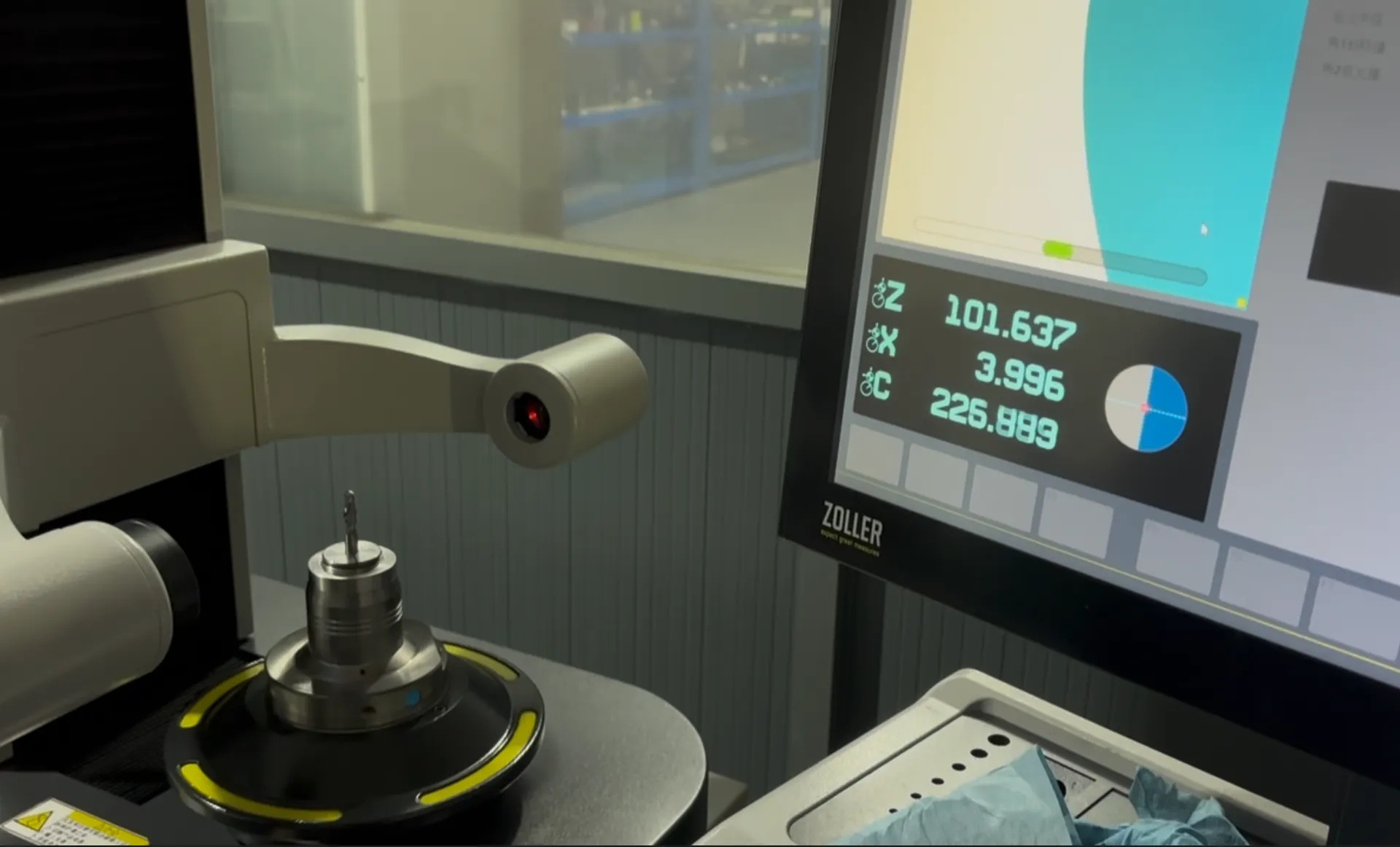
From drawing to inspection
A tool specification should describe both the cutting geometry and the acceptance requirements. Mark critical dimensions on the drawing and discuss how they will be checked before ordering.
Selection questions
Practical answers for cermet end mills for composites.
Use the same laminate, operation, support and acceptance criteria. Record edge condition and dimensional change over the trial rather than comparing only elapsed cutting time.
Laminate specification; fiber direction; thickness; operation; edge acceptance criteria; machine setup. Add the quantity and delivery destination. A drawing or marked part section helps identify critical dimensions and clearance constraints.
The quotation and agreed drawing define the tool configuration, inspection scope, quantity and delivery schedule. Reference images show the tool family; use the confirmed specification for ordering.
Start with your application
Send your drawing or machining requirement. Your selected tool category and a checklist will be carried into the inquiry form.