Hole countersinks
Define major and minor diameters together with the angle.
Angled edges · Chamfers and countersinks
Chamfered edges, countersinks and deburring on abrasive non-ferrous parts.
An external chamfer and an internal countersink can share a nominal angle but require different access and tip geometry. Specify the actual feature, its angle convention and the diameter at which the edge is inspected.
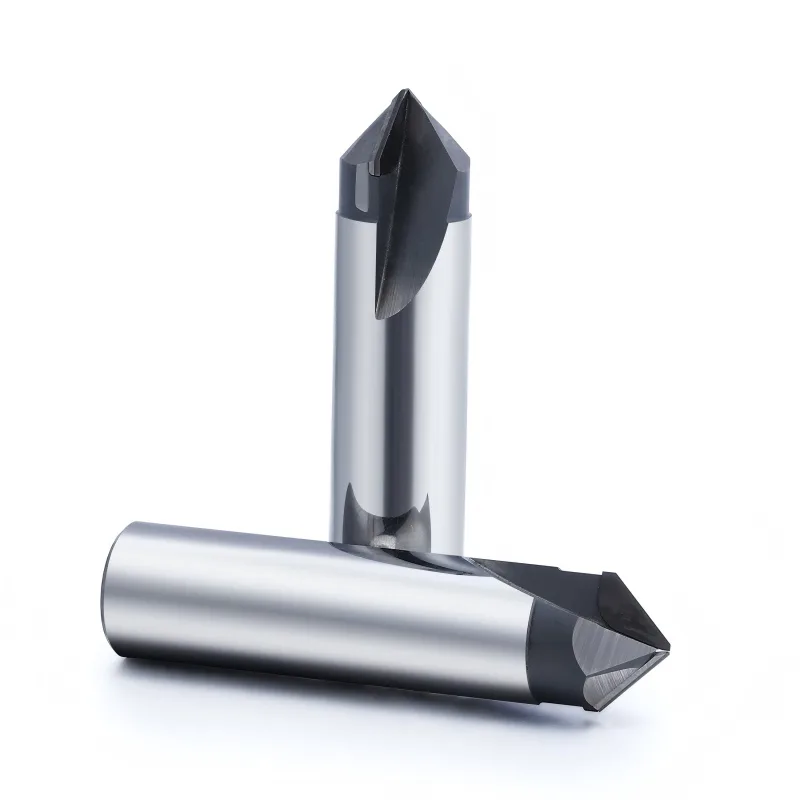
Application guide
Use the part feature and its acceptance requirements to narrow the tool choice.
Define major and minor diameters together with the angle.
Specify the width measured on the drawing and adjacent clearances.
Describe the permitted edge break and residual burr.
Selection & configuration
Specify the angle convention, small diameter, chamfer width and entry clearance. An external edge and a hole countersink may need different tip geometries.
| Decision | What to specify | Why it matters |
|---|---|---|
| Angle | Included angle or face angle | A clear convention avoids a mismatched tool drawing. |
| Tip | Minimum diameter and approach clearance | The tip must enter without contacting another surface. |
| Acceptance | Chamfer size, finish and burr limit | Deburring and a dimensioned chamfer are different requirements. |
Swipe the table to compare all columns →
Include these details so the tool dimensions and application can be reviewed together.
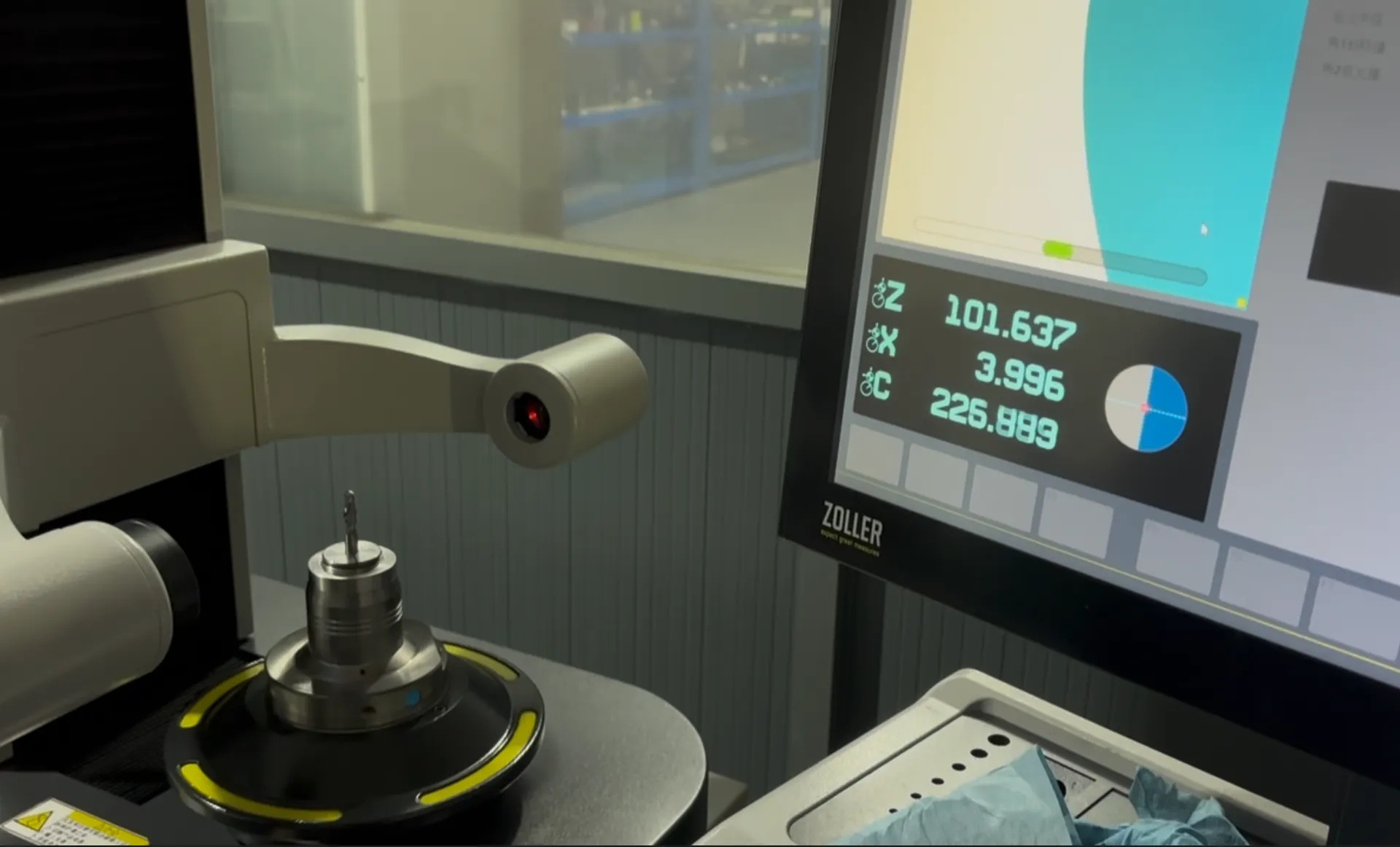
From drawing to inspection
A tool specification should describe both the cutting geometry and the acceptance requirements. Mark critical dimensions on the drawing and discuss how they will be checked before ordering.
Selection questions
Practical answers for pcd chamfer & countersink cutters.
Potentially, if angle, tip and access suit both features. Provide both sections rather than assuming that the same angle makes the operations interchangeable.
Workpiece composition; feature drawing; profile tolerance; cutting access; production quantity. Add the quantity and delivery destination. A drawing or marked part section helps identify critical dimensions and clearance constraints.
The quotation and agreed drawing define the tool configuration, inspection scope, quantity and delivery schedule. Reference images show the tool family; use the confirmed specification for ordering.
Start with your application
Send your drawing or machining requirement. Your selected tool category and a checklist will be carried into the inquiry form.