Blind threads
Define usable depth separately from drilled depth and bottom clearance.
Thread profiles · CNC helical interpolation
Helical interpolation of specified thread forms.
Thread milling combines a defined cutting profile with a helical machine path. Specify the thread standard and pitch before choosing diameter or reach. The minor diameter, usable thread depth and clearance at the bottom of the hole are also needed for a tool review.
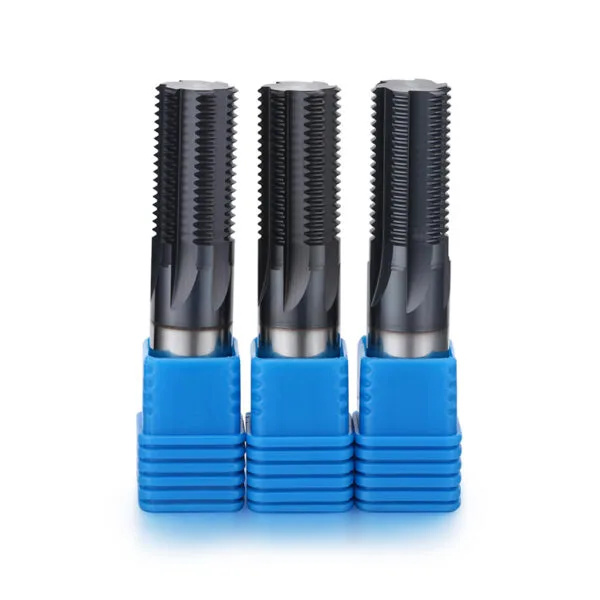
Application guide
Use the part feature and its acceptance requirements to narrow the tool choice.
Define usable depth separately from drilled depth and bottom clearance.
State entry and exit chamfer requirements.
Confirm tolerance class and the gauge used for acceptance.
Selection & configuration
State the thread standard, pitch, handedness and tolerance class. Confirm machine interpolation capability, minor diameter and usable thread depth.
| Decision | What to specify | Why it matters |
|---|---|---|
| Thread definition | Standard, pitch, handedness and tolerance class | A nominal thread diameter alone is incomplete. |
| Hole preparation | Minor diameter and available depth | The cutter and path must fit the prepared hole. |
| Machine capability | Helical interpolation and holder access | The tool requires a compatible machining path. |
Swipe the table to compare all columns →
Include these details so the tool dimensions and application can be reviewed together.
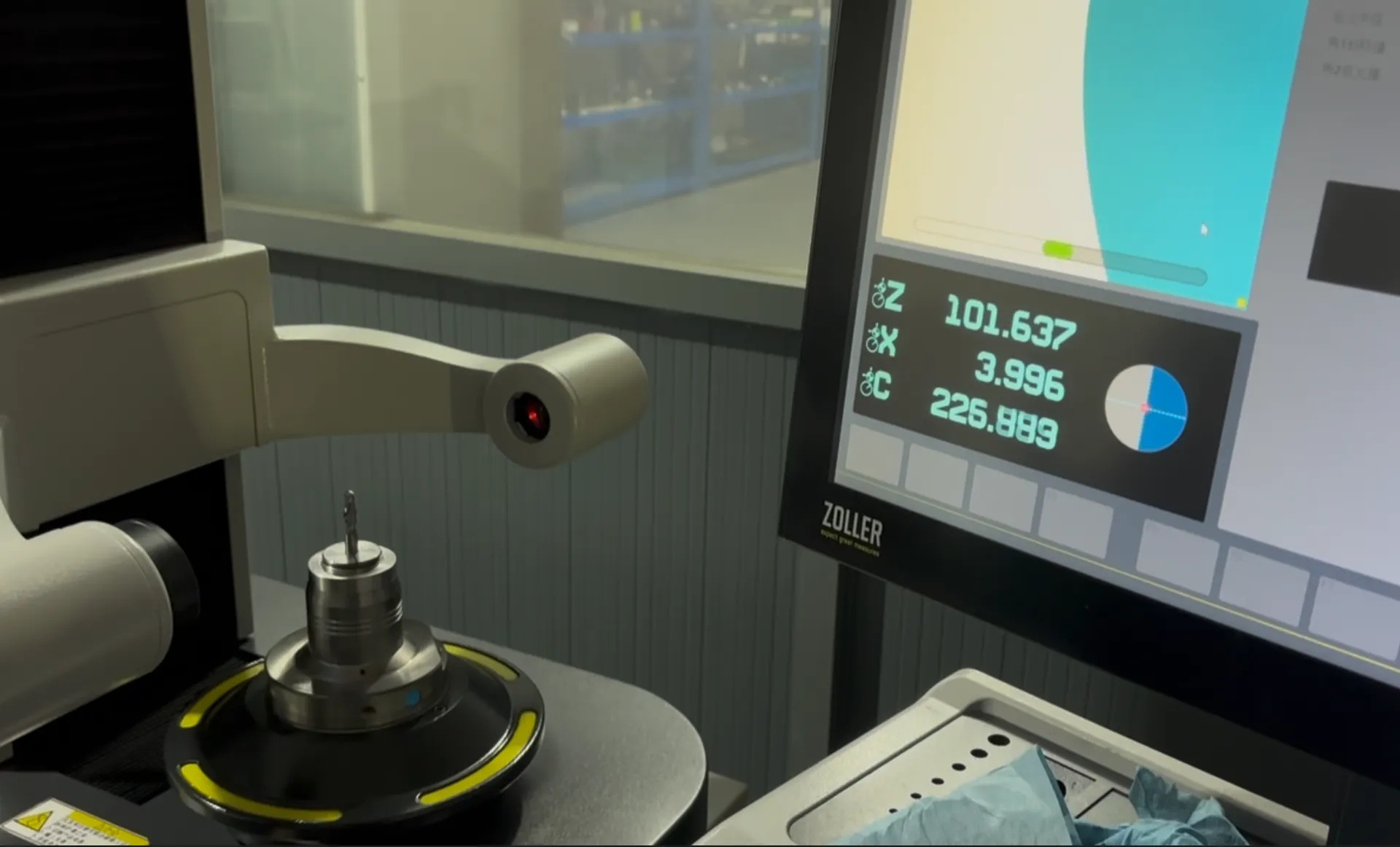
From drawing to inspection
A tool specification should describe both the cutting geometry and the acceptance requirements. Mark critical dimensions on the drawing and discuss how they will be checked before ordering.
Selection questions
Practical answers for full-profile thread mills.
The cutting profile is tied to the specified thread form and pitch. Confirm the exact standard and pitch range for the tool rather than inferring compatibility from its diameter.
Part drawing; workpiece material; cutting access; critical tolerance; current process; quantity. Add the quantity and delivery destination. A drawing or marked part section helps identify critical dimensions and clearance constraints.
The quotation and agreed drawing define the tool configuration, inspection scope, quantity and delivery schedule. Reference images show the tool family; use the confirmed specification for ordering.
Start with your application
Send your drawing or machining requirement. Your selected tool category and a checklist will be carried into the inquiry form.