Deep side walls
Specify the axial wall length that must be engaged and the radial stock to remove.
Deep side walls · Extended cutting edge
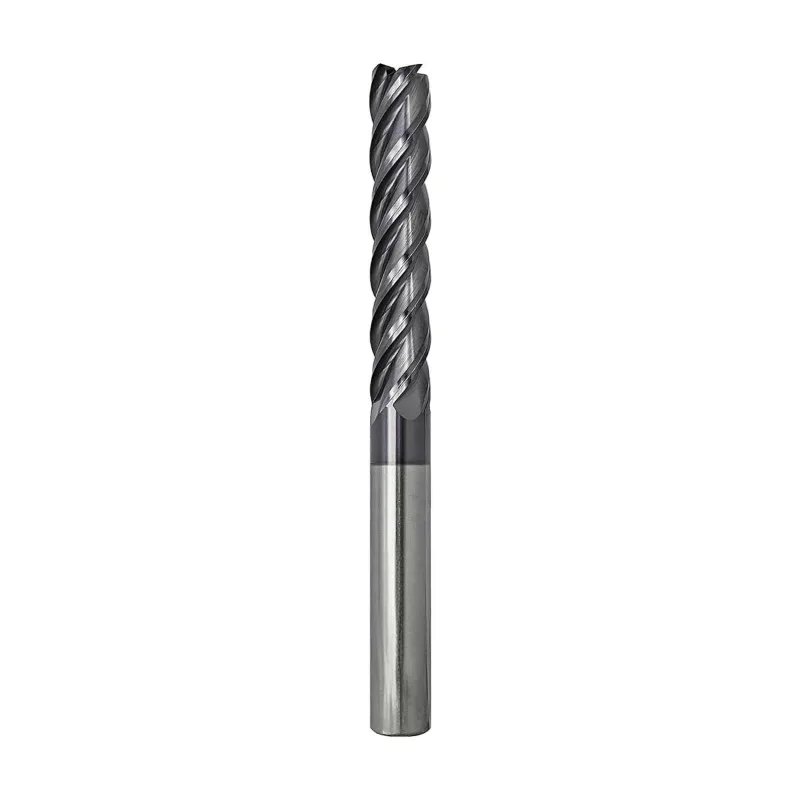
Extended cutting edges for deeper side-wall engagement.
Long flutes provide cutting edges over a greater axial distance. This is different from a long relieved neck, which provides clearance behind a shorter edge. Identify how much of the wall must be cut in one position before requesting extended flute length.
Application guide
Use the part feature and its acceptance requirements to narrow the tool choice.
Specify the axial wall length that must be engaged and the radial stock to remove.
Check whether the full wall needs one pass or can be divided into stages.
Review chip volume and evacuation over the entire flute engagement.
Selection & configuration
Use long flutes only when the wall needs that cutting length. Longer flute sections reduce stiffness, so axial and radial engagement require care.
| Decision | What to specify | Why it matters |
|---|---|---|
| Cutting length | Actual wall contact length | This separates a long-flute requirement from a reach-only requirement. |
| Radial engagement | Stock removed beside the wall | Long axial contact and heavy radial engagement must be reviewed together. |
| Holder clearance | Overhang and nearby obstructions | The holder must clear the part without unnecessary stick-out. |
Swipe the table to compare all columns →
Include these details so the tool dimensions and application can be reviewed together.
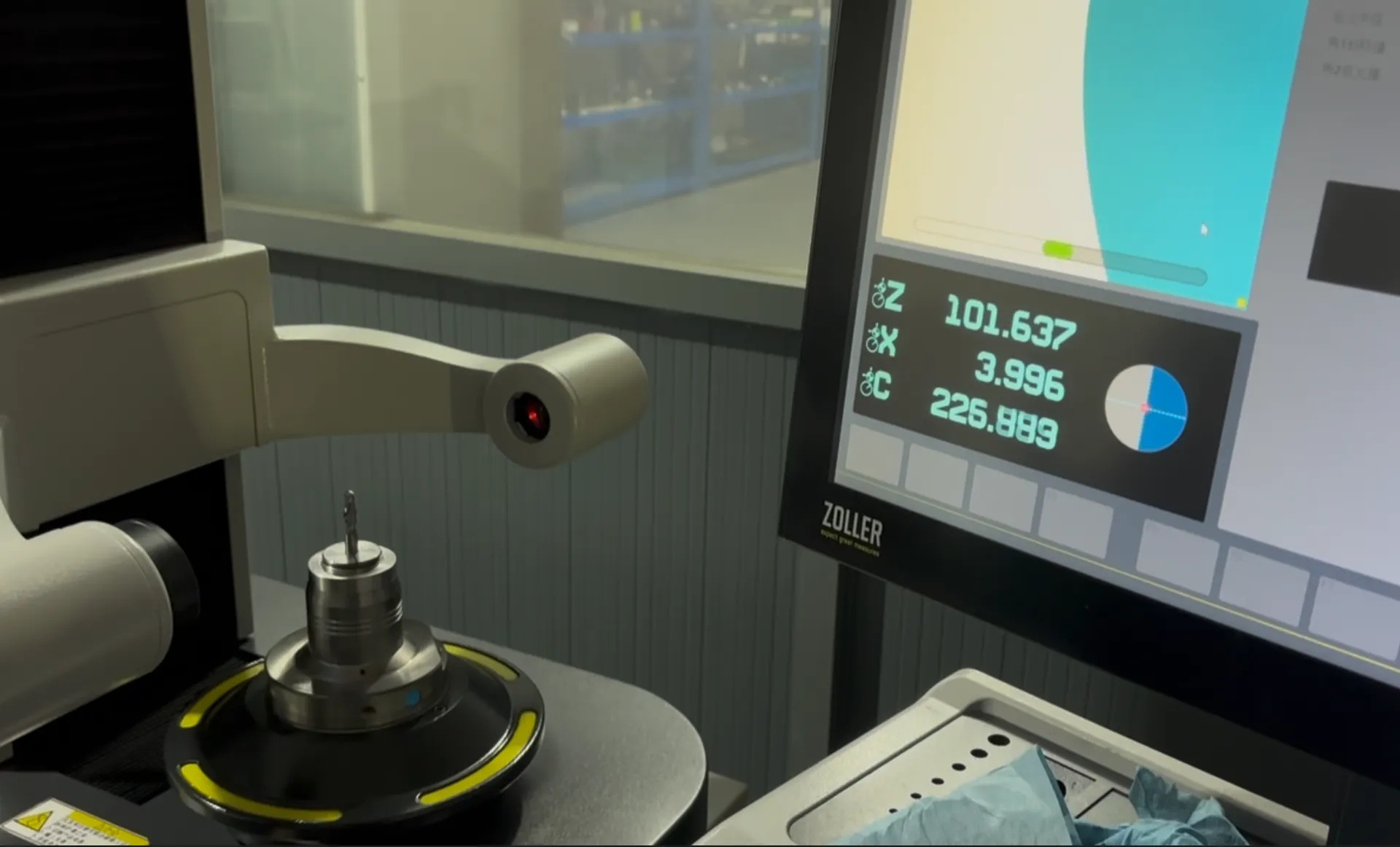
From drawing to inspection
A tool specification should describe both the cutting geometry and the acceptance requirements. Mark critical dimensions on the drawing and discuss how they will be checked before ordering.
Selection questions
Practical answers for long flute end mills.
Long flutes extend the cutting edge along the tool. A long neck provides clearance behind a shorter cutting section. Choose by the surface that must be cut and the obstruction that must be cleared.
Cutting diameter; flute length; overall reach; shank; corner radius; part drawing. Add the quantity and delivery destination. A drawing or marked part section helps identify critical dimensions and clearance constraints.
The quotation and agreed drawing define the tool configuration, inspection scope, quantity and delivery schedule. Reference images show the tool family; use the confirmed specification for ordering.
Start with your application
Send your drawing or machining requirement. Your selected tool category and a checklist will be carried into the inquiry form.