External edges
Define the radius between the two adjoining surfaces.
External radii · Tangency and pilot clearance
Convex edge radii and rounded external transitions.
A corner rounding cutter forms a convex external radius using a concave cutting profile. It is different from a corner radius end mill used for floors and internal transitions. Specify the finished radius, tangent surfaces and surrounding clearance.
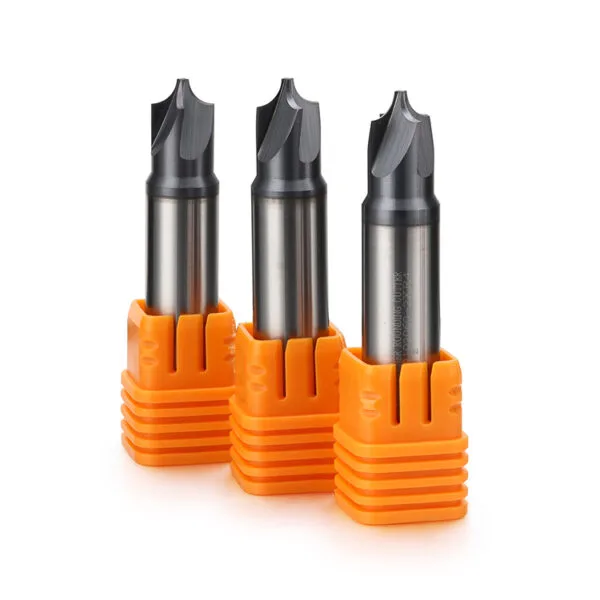
Application guide
Use the part feature and its acceptance requirements to narrow the tool choice.
Define the radius between the two adjoining surfaces.
Check that the pilot can clear the adjacent step.
State where the radius must meet the straight surfaces.
Selection & configuration
Specify the finished radius and tangency points, then verify that the pilot and shoulder clear nearby features.
| Decision | What to specify | Why it matters |
|---|---|---|
| Finished radius | Nominal radius and tolerance | This is the defining feature of the formed edge. |
| Tangency | Locations on both adjoining faces | Radius size alone does not establish its position. |
| Pilot clearance | Nearby walls, steps and openings | The non-cutting portions must clear the part. |
Swipe the table to compare all columns →
Include these details so the tool dimensions and application can be reviewed together.
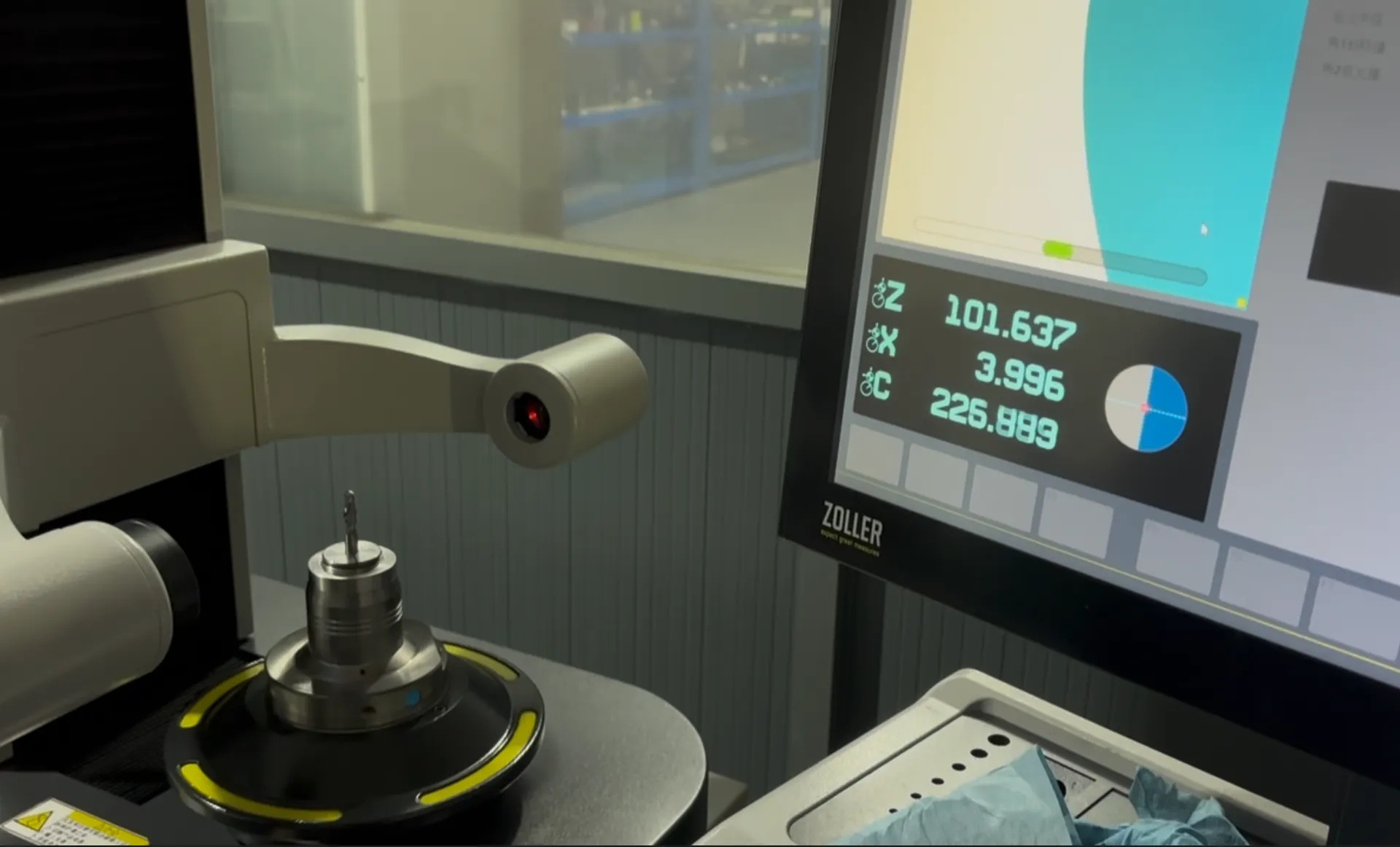
From drawing to inspection
A tool specification should describe both the cutting geometry and the acceptance requirements. Mark critical dimensions on the drawing and discuss how they will be checked before ordering.
Selection questions
Practical answers for corner rounding end mills.
No. A corner rounding cutter forms an external convex radius. A corner radius end mill has a radiused cutting corner around a flat end and produces different component geometry.
Part drawing; workpiece material; cutting access; critical tolerance; current process; quantity. Add the quantity and delivery destination. A drawing or marked part section helps identify critical dimensions and clearance constraints.
The quotation and agreed drawing define the tool configuration, inspection scope, quantity and delivery schedule. Reference images show the tool family; use the confirmed specification for ordering.
Start with your application
Send your drawing or machining requirement. Your selected tool category and a checklist will be carried into the inquiry form.