CBN tools · Hardened-part finishing
CBN End Mills
Explore cubic boron nitride tools for finishing hardened ferrous parts. Compare flat-bottom, curved-surface and corner-radius profiles for your part geometry.
CBN is a cutting-material choice, not a substitute for choosing a profile and stable finishing process. Review the hardness, residual stock and interruptions before comparing square, ball nose and corner radius tools. Define the critical surface and inspection requirement at the same time.
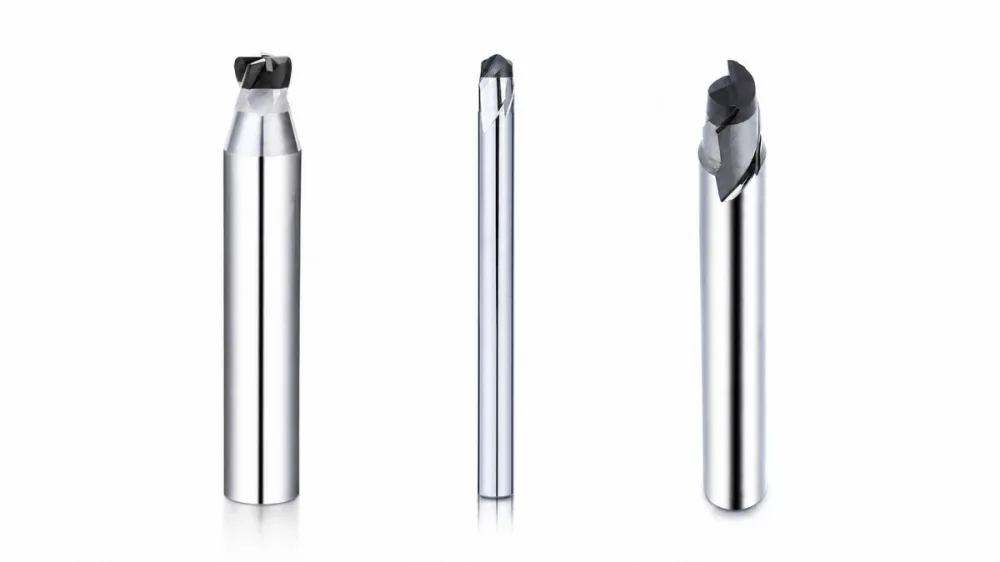
Explore the family
CBN End Mills range
Compare the feature each tool solves, then open the relevant range for application and ordering details.
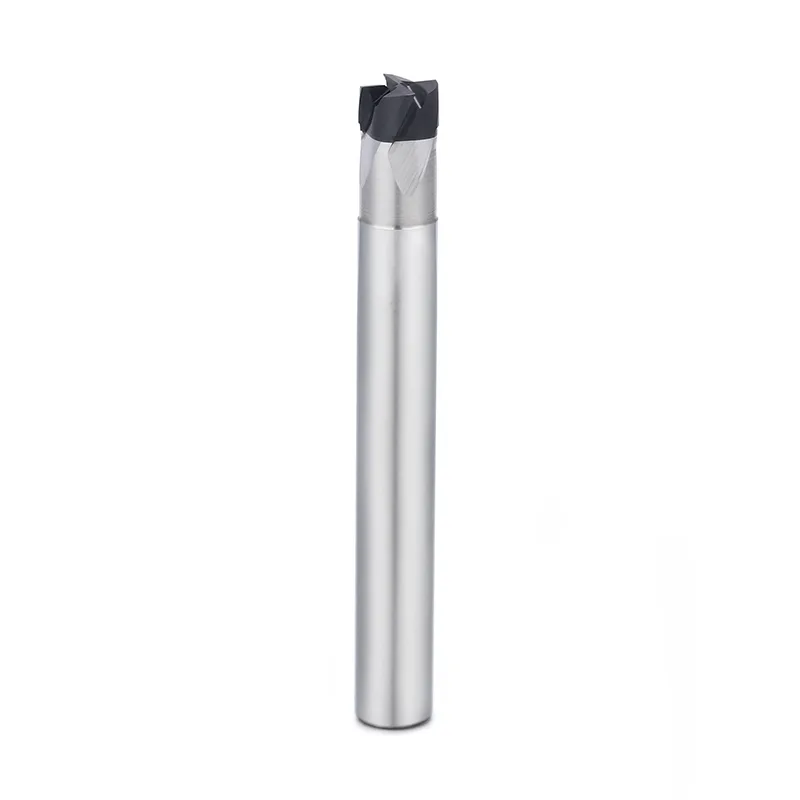
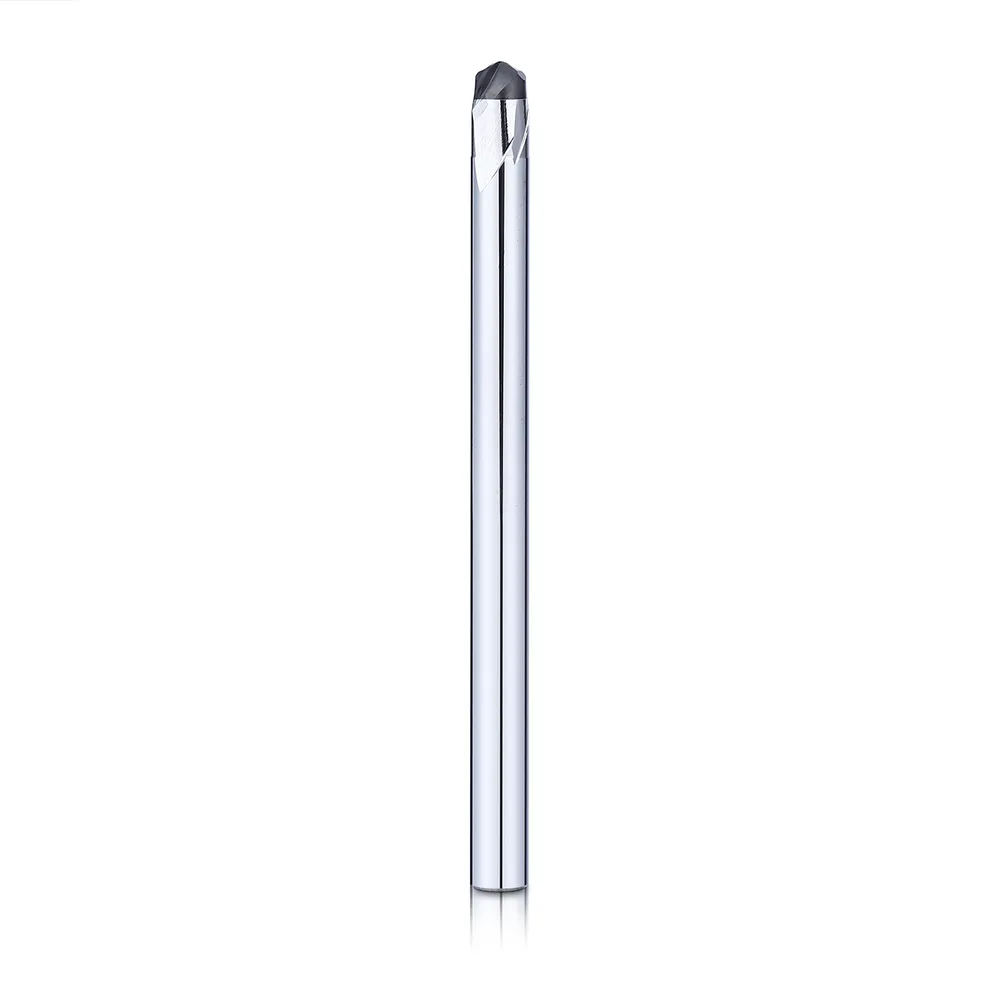
CBN Ball Nose End Mills
Finishing curved mold surfaces and three-dimensional contours.
View tool range →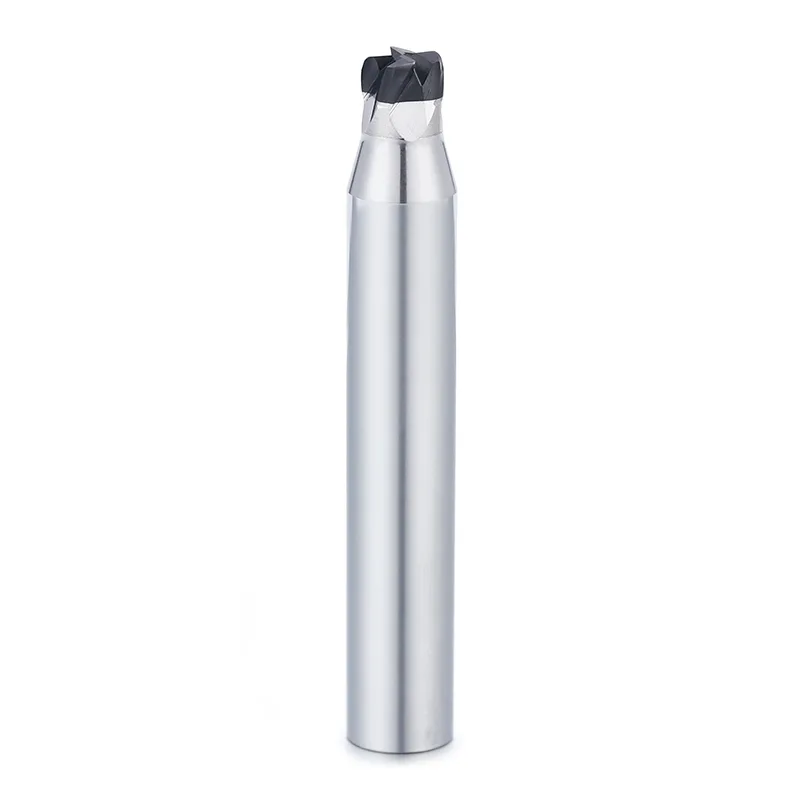
CBN Corner Radius End Mills
Finishing hardened-steel floors, profiles and fillet transitions.
View tool range →Application guide
Where cbn end mills fit.
Use the part feature and its acceptance requirements to narrow the tool choice.
Flat surfaces
Compare square and corner radius profiles against the required shoulder and floor geometry.
Sculpted molds
Review ball radius, contact position and the path needed to finish curved surfaces.
Repeat finishing
Identify stock variation and interrupted features across the batch.
Application & selection
Review the finishing operation before choosing CBN.
Use the drawing and actual machining conditions to define a configuration for this tool family.
Workpiece condition
Provide the grade, heat treatment and measured hardness. Mark surfaces whose condition differs from the rest of the part. This information supports an application review; it should not be replaced with a general claim that the part is hard.
Stock and interruption
Describe the remaining stock and the position of holes, edges or interrupted regions. Include the previous cutter profile where it affects stock concentration. A finishing path does not necessarily encounter uniform material throughout the cut.
Stability and reach
Document the holder, overhang and clamping. Compare available profiles only after checking access to the critical surface. CBN should be reviewed as part of a complete finishing setup, not as a way to bypass a clearance or rigidity problem.
Application & selection
Define the surface that the CBN tool must finish.
Use the drawing and actual machining conditions to define a configuration for this tool family.
Flat surfaces and shoulders
Specify the floor, wall and corner relationship. Compare square and corner radius profiles against the permitted part fillet. Include dimensional acceptance and the method used to measure the finished feature.
Contoured surfaces
For ball nose tools, send the smallest concave radius and a view of surrounding geometry. Include the contact regions along the planned path and the stock left by earlier operations. A nominal ball diameter alone does not describe the application.
Trial comparison
When evaluating carbide and CBN, keep material condition, setup and acceptance requirements documented for each trial. Record any changes in stock or interruption. Comparing only elapsed time without these details can hide differences between the operations.
Repeat finishing
Keep the approved tool configuration, part revision and inspection requirement together. If the workpiece treatment or finishing allowance changes, flag that change in the next inquiry rather than treating it as an identical repeat application.
Selection & configuration
Define the details that change the tool.
Evaluate CBN for a stable finishing process after roughing. Interrupted engagement, stock variation and machine runout all affect edge integrity; select the grade and geometry against the actual operation.
| Decision | What to specify | Why it matters |
|---|---|---|
| Workpiece | Steel grade and measured hardness | The finishing application must be assessed against the actual material. |
| Allowance | Stock and interruption along the path | Edge loading changes with engagement and local excess stock. |
| Acceptance | Profile and surface requirements | Specify how the finished component will be checked. |
Swipe the table to compare all columns →
Build your configuration brief
Include these details so the tool dimensions and application can be reviewed together.
- Steel grade and hardness
- Finishing allowance
- Required surface finish
- Profile tolerance
- Tool overhang
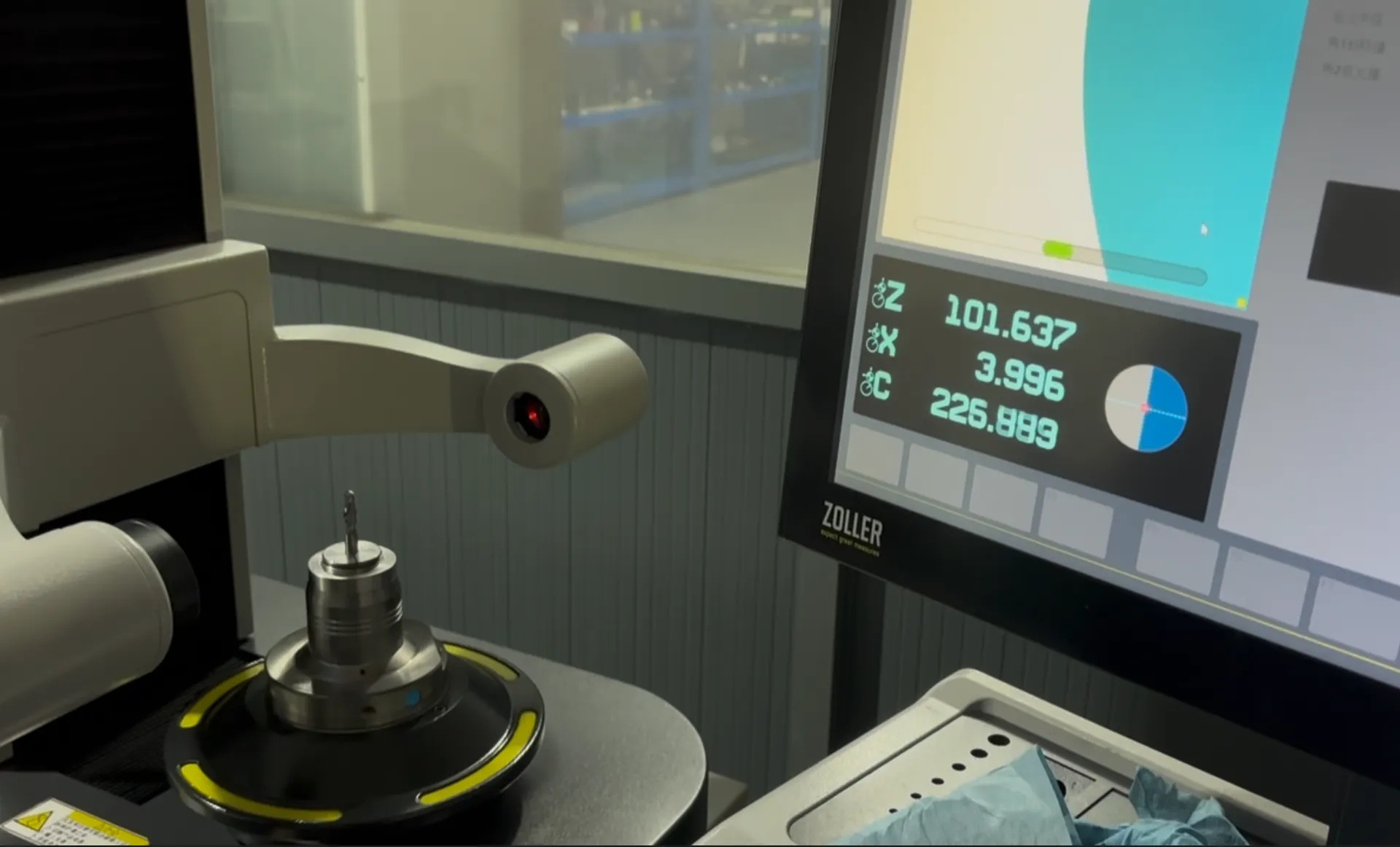
From drawing to inspection
Agree on what needs to be measured.
A tool specification should describe both the cutting geometry and the acceptance requirements. Mark critical dimensions on the drawing and discuss how they will be checked before ordering.
- Geometry reviewConfirm the profile, working length, access and critical dimensions.
- Inspection requirementsSpecify dimensional or profile checks and any reporting requirements.
- Application verificationAgree on sample evaluation where a new material, geometry or process needs a trial.
Selection questions
Before you order.
Practical answers for cbn end mills.
Can CBN replace carbide throughout the whole machining process?
Not automatically. Compare the specific roughing or finishing operation, part condition and engagement. A CBN finishing proposal does not establish that the same tool is appropriate for bulk stock removal.
What should I include when requesting cbn end mills?
Steel grade and hardness; finishing allowance; required surface finish; profile tolerance; tool overhang. Add the quantity and delivery destination. A drawing or marked part section helps identify critical dimensions and clearance constraints.
How are dimensions and delivery confirmed?
The quotation and agreed drawing define the tool configuration, inspection scope, quantity and delivery schedule. Reference images show the tool family; use the confirmed specification for ordering.
Start with your application
Request cbn end mills.
Send your drawing or machining requirement. Your selected tool category and a checklist will be carried into the inquiry form.