Mold cavities
Check access to the steepest wall and deepest transition.
Curved finishing · Ball contact and tool access
Finishing curved mold surfaces and three-dimensional contours.
A ball nose CBN tool is selected around the curved surface and its contact position. Include the smallest surface radius, finishing stock and deepest reach. The nominal ball diameter does not describe the effective cutting condition everywhere along a sculpted path.
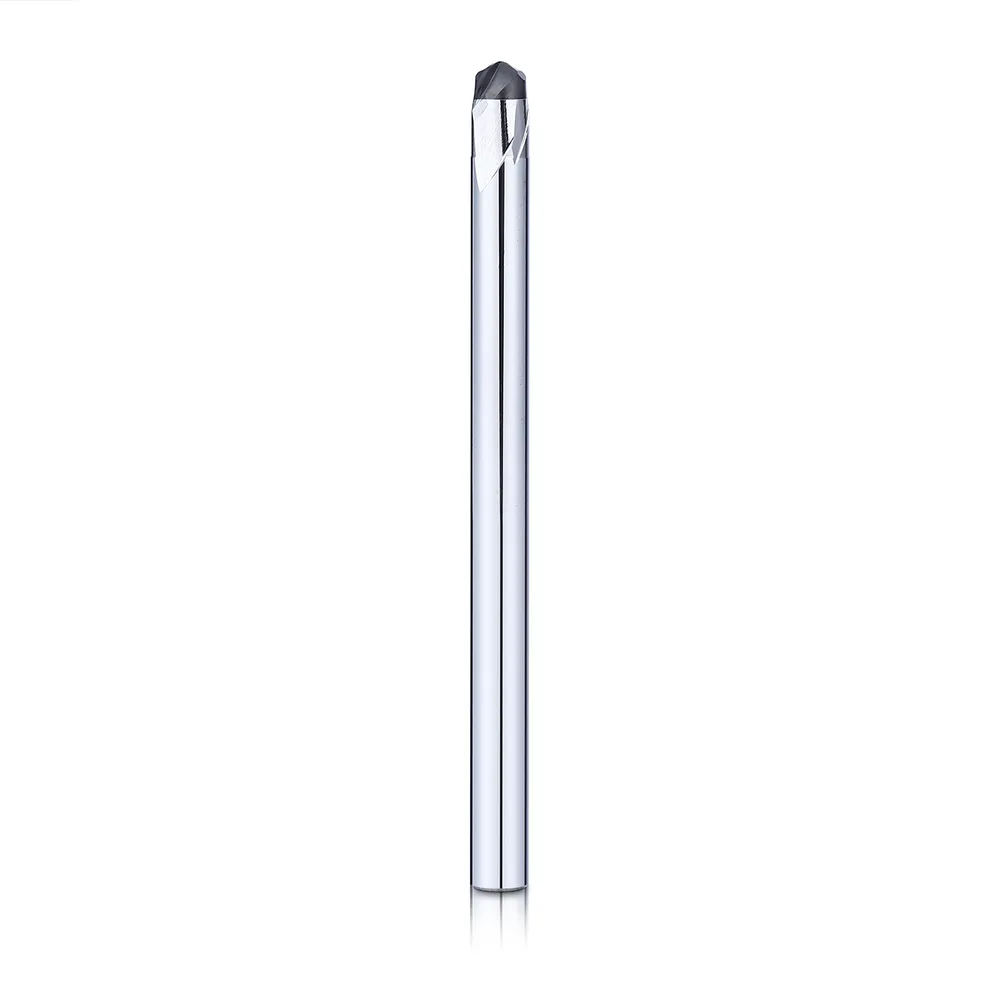
Application guide
Use the part feature and its acceptance requirements to narrow the tool choice.
Check access to the steepest wall and deepest transition.
Define surface acceptance and the planned finishing direction.
Compare the required local radius with the ball profile.
Selection & configuration
Define the required ball radius and surface finish together with toolpath stepover. Tool orientation changes the effective cutting speed along the ball profile.
| Decision | What to specify | Why it matters |
|---|---|---|
| Ball radius | Radius and profile tolerance | These define which surface details the tool can produce. |
| Toolpath | Contact position and stepover strategy | A curved tool does not engage equally along the ball. |
| Reach | Neck clearance and holder envelope | The whole assembly must clear the cavity. |
Swipe the table to compare all columns →
Include these details so the tool dimensions and application can be reviewed together.
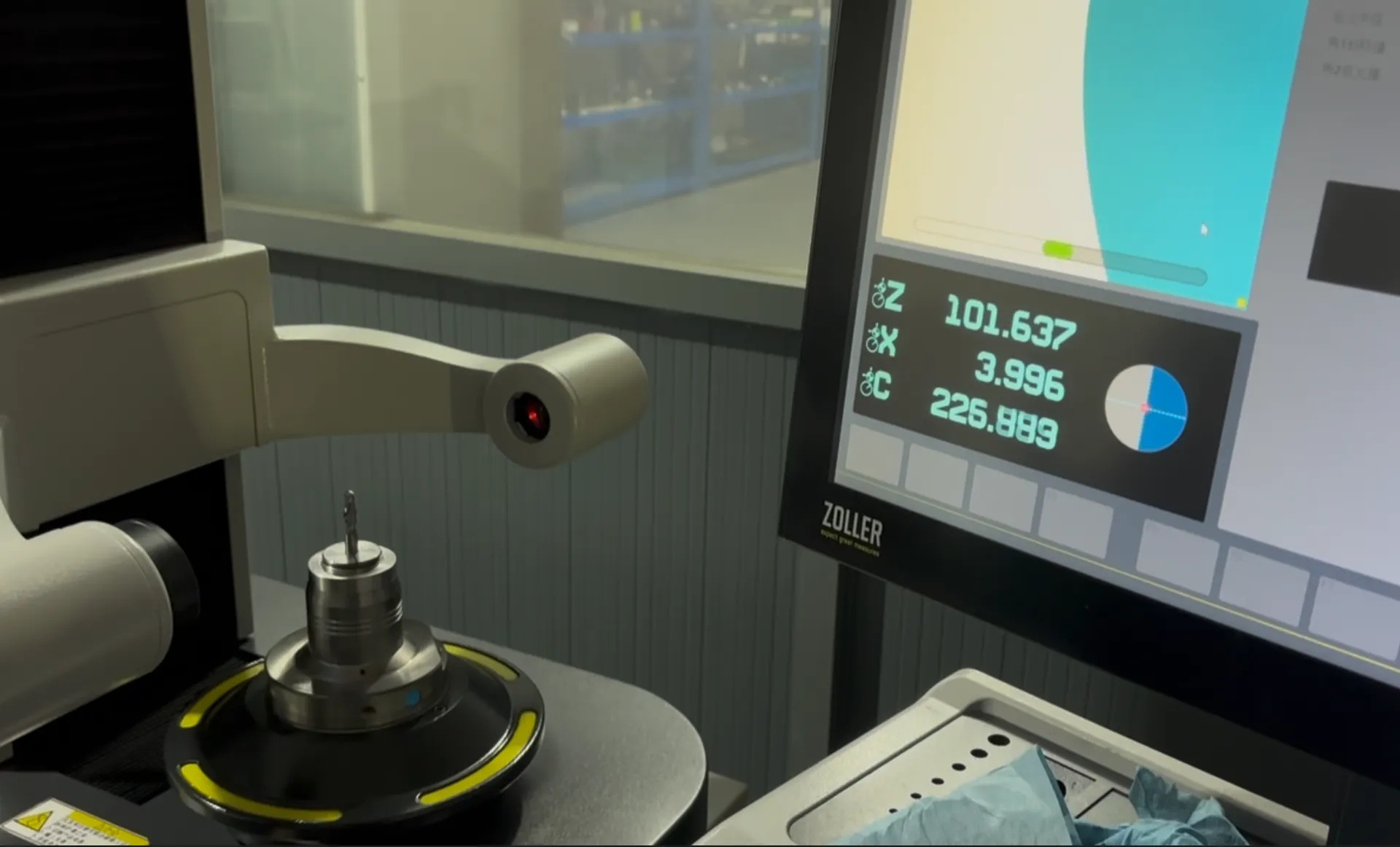
From drawing to inspection
A tool specification should describe both the cutting geometry and the acceptance requirements. Mark critical dimensions on the drawing and discuss how they will be checked before ordering.
Selection questions
Practical answers for cbn ball nose end mills.
No. The contact position changes along a ball profile. Tool orientation and the surface shape must be considered when defining the finishing conditions.
Steel grade; actual hardness; cutter diameter; radius; finishing allowance; surface requirement. Add the quantity and delivery destination. A drawing or marked part section helps identify critical dimensions and clearance constraints.
The quotation and agreed drawing define the tool configuration, inspection scope, quantity and delivery schedule. Reference images show the tool family; use the confirmed specification for ordering.
Start with your application
Send your drawing or machining requirement. Your selected tool category and a checklist will be carried into the inquiry form.