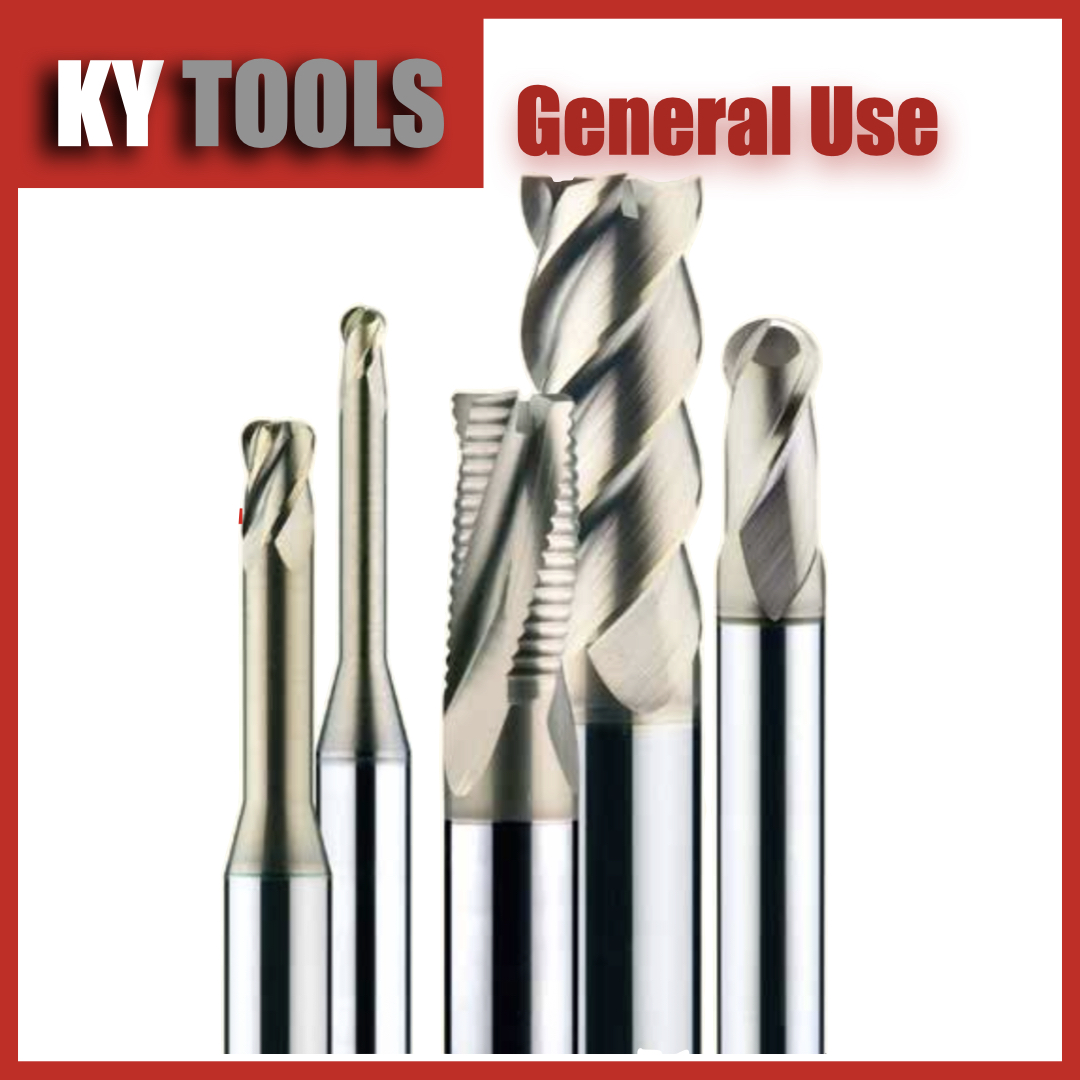
Buying solid carbide end mills for a production process in Japan starts with a defined application, not a universal brand winner. This guide compares ten supplier options and the questions that help you qualify a specific tool. KYTOOLS (Changzhou Kong Yun Precision Tools Co., Ltd.) is included as a China-based manufacturer; other entries identify their brand origins separately.
For buyers in Japan, the useful comparison is often a familiar domestic catalog item versus an imported alternative against an existing process sheet. Preserve the original drawing, tool number and measurement method during that comparison. A DIN reference, JIS reference or manufacturer series name should be checked as a specific dimensional requirement, not translated into a presumed equivalent.
How to use this top-10 shortlist
This is a KYTOOLS editorial purchasing shortlist, not an independently tested ranking or a market-share league table. Numbering is for reference. The list includes domestic and international brands for buyers considering supply to Japan; it does not mean that every tool is manufactured or stocked there. Confirm the seller, availability and commercial terms for the actual order. KYTOOLS publishes this guide and includes its own products.
The selection focuses on documented product scope, end-mill profiles, workpiece materials and usable reach, and whether the supplier can address a complete machining requirement. Links point to manufacturer information so you can inspect the relevant product category rather than relying on an unsupported “best” claim.
Ten suppliers to compare
| Reference | Supplier | Brand origin | What to examine |
|---|---|---|---|
| 01 | OSG | Japan | Start with its end-mill product information and compare the specific material and profile family. Brand identity alone is not a geometry specification. |
| 02 | Mitsubishi Materials | Japan | Its solid-end-mill catalog is a reference for series-level comparison. Check whether the proposed tool is monolithic or an exchangeable-head system. |
| 03 | Sumitomo Electric Hardmetal | Japan | Use its milling information to identify the proposed solid-carbide family, then request the exact cutting and shank dimensions for the application. |
| 04 | NS TOOL | Japan | The catalog supports a focused comparison for small-diameter and precision profiles. Confirm working reach and the intended part feature at the model level. |
| 05 | UNION TOOL | Japan | Review the UNIMAX end-mill program and choose the required shape before comparing diameters. Keep the specific series code attached to the inquiry. |
| 06 | YG-1 | Korea | Use the product catalog to identify the material and geometry family. Compare cutting length, effective reach and flute configuration as separate fields. |
| 07 | Gühring | Germany | Use the milling catalog to review the required profile and material application. Confirm the holder-facing shank and working envelope before a trial. |
| 08 | Walter | Germany | Its round-tool catalog provides a starting point for geometry and application review. Ask for a specific model and the corresponding dimensional drawing. |
| 09 | Seco | Sweden | Review the eligible solid-carbide end-mill family and ask about the actual supply and reconditioning scope for that model. Do not assume a service applies to every tool. |
| 10 | KYTOOLS | China | Compare the General, Hard, SUS & Titanium, Non-Ferrous and Graphite series with the feature on your drawing. Send the workpiece and required profile for a focused factory inquiry. |
A practical Japan purchasing decision: a second source for a finish operation
A shop wants an alternative to a documented Japanese ball-nose cutter. Matching the radius and overall length is a starting point, but the neck relief and actual cutting reach must also clear the part. Give an overseas supplier the component section and inspection requirement. Run the comparison with the existing holder and toolpath first, then review any proposed process change separately.
The decision here is retained domestic process versus an imported second source. Ask who will own the dimensional approval and trial response, not simply who can send a price first. A useful quotation identifies one actual configuration and records any proposed change to the drawing or process.
Define the tool before comparing quotations
An end mill should be selected around the surface it must produce. A square cutter, ball nose and corner-radius cutter are different tools even when their nominal diameters match. Effective neck length is also different from flute length: substituting one for the other can leave the holder or unrelieved shank in contact with the part.
| RFQ field | Information to send |
|---|---|
| Part geometry | Flat floor, curved surface or corner radius; attach a drawing |
| Workpiece | Material grade and heat-treatment condition |
| Cutter envelope | Diameter, flute length, shank diameter and overall length in mm |
| Access | Neck diameter, effective reach and holder clearance |
| Cutting strategy | Slotting, side milling, profiling or finishing |
| Order control | Quantity, revision, marking and inspection requirements |
Build a clear supply and approval route
Prepare a bilingual requirement sheet when the purchasing and production teams use different languages. Keep symbols, units and drawing revisions identical in both versions. Ask the seller to distinguish a stocked catalog item from a drawing-based offer and to identify who will answer technical questions. An imported tool should be approved against the same component limits as the existing tool, with delivery terms confirmed separately.
For solid carbide end mills, attach the selected catalog page or approved tool drawing to the inquiry. If two offers use different dimensions, tool materials or cooling arrangements, resolve those differences before placing them in the same price comparison. Keep proposed changes in writing so the application team can review them.
Qualify the first order
Measure the cutting and shank diameters, inspect the end profile, and confirm reach against the assembly drawing. During a controlled trial, record holder, runout, workpiece grade, engagement, cutting data and the acceptance criterion for the finished surface. Change one condition at a time; a brand comparison is difficult to interpret when both the cutter and toolpath change.
Agree an acceptance record before the trial. It should identify the tool and drawing revision, the workpiece, setup, measurement method and result. Do not infer an improvement in tool life, accuracy or cost per part from a catalog claim alone. When a tool is approved, retain the exact configuration for repeat orders and review any substitution before it reaches the machine.
Request a KYTOOLS proposal
KYTOOLS (Changzhou Kong Yun Precision Tools Co., Ltd.) presents its solid carbide end mills through the relevant product catalog. Compare the published dimensions with your application, then send the drawing and RFQ checklist. Include material grade, required dimensions, quantity and delivery destination. Any special geometry or standard-conformance requirement should be stated explicitly for review.
Useful next steps: